
Northern Lights in Finland: When to Go and What to Expect
The Northern Lights are real, beautiful and impossible to schedule. Here is how to give yourself the best chance in Lapland, and what else the trip offers while you wait.
Nobody can promise you the Northern Lights. If a tour does, be a little suspicious. The aurora does not run on a timetable, and the sky has never once checked anyone's itinerary.
What you can do is stack the odds, dress properly and make sure that if the sky stays boring one evening, the rest of the trip is not.
Lapland's aurora season runs roughly from late August to early April. You need darkness, clear skies and some solar activity. Go for several nights, stay flexible, wrap up warm and treat every clear evening as a chance. No one can guarantee the lights.
When to go
Winter is the classic time, because the nights are long and the sky is dark for many hours. February is a lovely sweet spot: deep snow, cold clear nights and still plenty of aurora hours. Our Finland Loop runs in the middle of February for that reason.
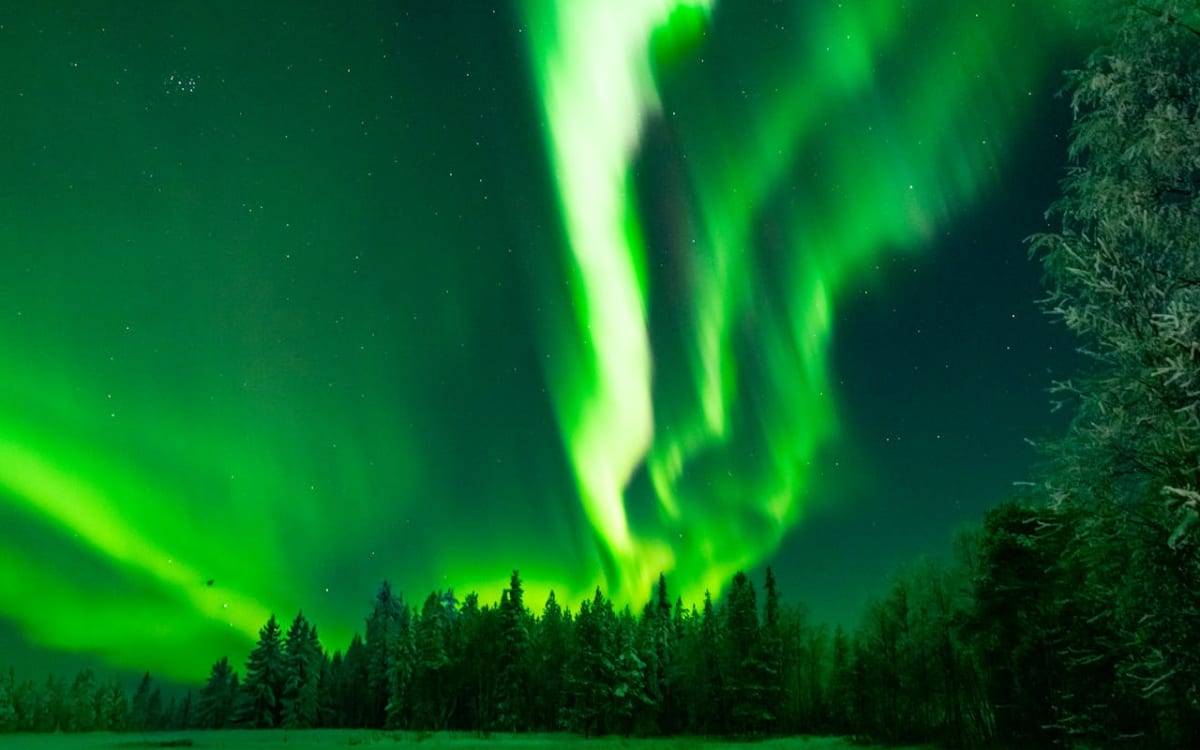
How to improve your odds
- Stay several nights. One night is a gamble. Five is a decent bet.
- Get away from lights. Towns glow. Dark places win.
- Watch the clouds, not just the forecast. A clear sky matters more than almost anything.
- Be patient, and warm. Waiting is easy with a hot drink and the right layers.
Some evenings the sky just stays cloudy. That is not a failed trip, it is Lapland. The best trips are built so that a quiet sky still ends with a good story.
The season in more detail
According to Visit Finland, the aurora season in Lapland runs from late August to early April. Autumn (September and October) and spring (February and March) are described as the most active periods, and in those months the lights show on roughly every second clear night. December and January bring the darkest skies of polar night, and they are also the busiest and coldest time of year to visit.
That is why a mid-February trip makes sense: strong activity, deep snow and long enough nights, with a little more daylight for the other activities.
Forecasts and apps worth using
Clouds are the most common reason people miss the lights, so check the weather forecast alongside the aurora forecast. The Finnish Meteorological Institute publishes an aurora probability map, and the NOAA Space Weather Prediction Center posts a 30 minute forecast. Alert apps such as Aurora Alert can notify you when activity picks up. The strength of geomagnetic activity is measured on the Kp scale from 0 to 9. In northern Lapland, a low reading can be enough, while higher numbers push the lights further south.
For more on what to expect, see Visit Finland's guide to how to see the northern lights. The best viewing window is typically between about 9pm and 2am, so plan on late nights.
What to wear (this matters more than the lights)
Being cold is the fastest way to stop enjoying yourself, and it is entirely avoidable. Think layers:
- A warm base layer that sits against the skin.
- An insulating middle layer, like fleece or wool.
- A windproof, waterproof outer layer.
- Warm boots, a hat and, ideally, mittens rather than gloves.
Phone and camera batteries drain fast in the cold, so keep spares in an inside pocket and swap them in when needed.
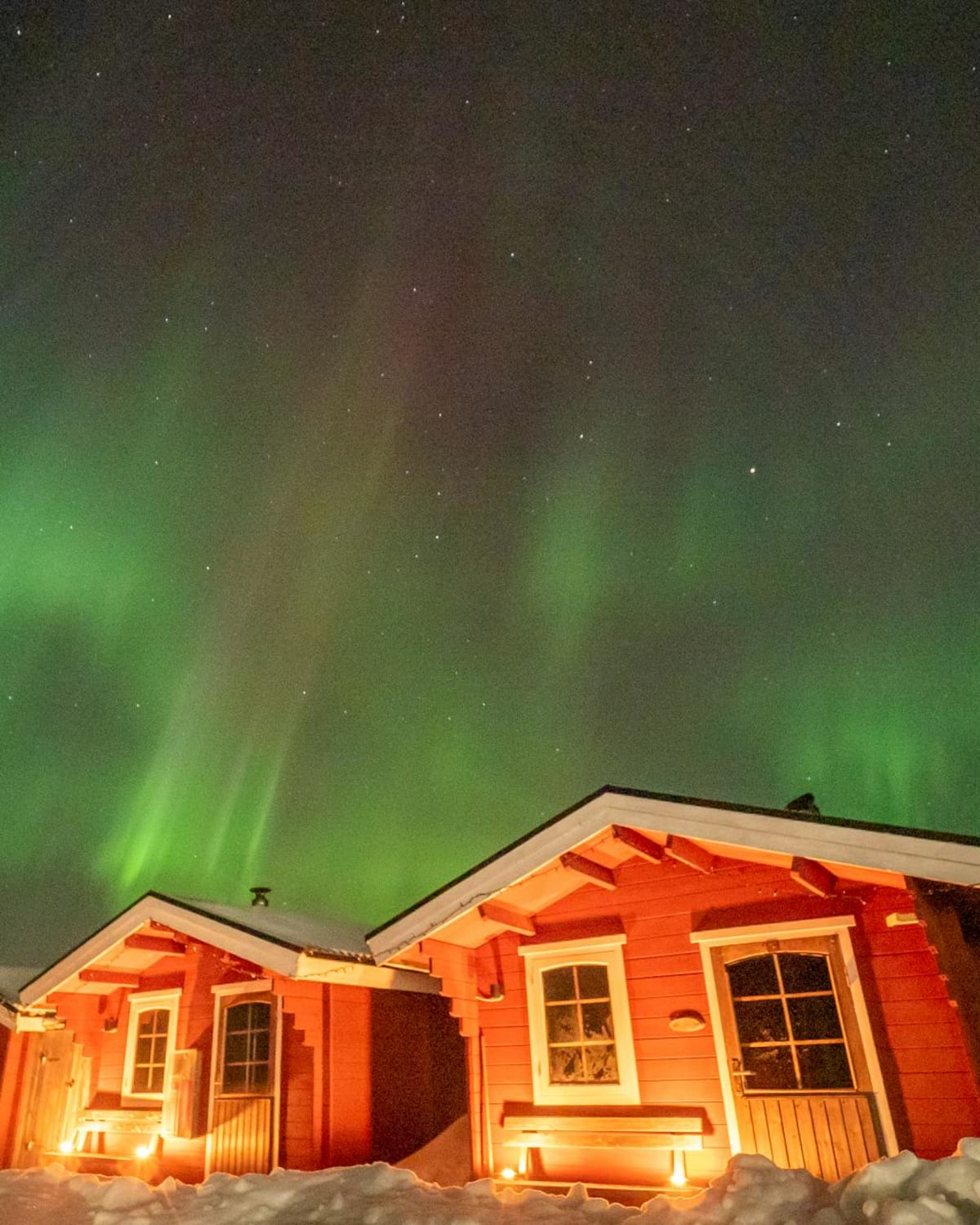
Photographing the aurora with a phone
You do not need a professional camera. Most modern phones have a night mode that can capture the lights well, as long as you keep the phone still. Rest it on a tripod, a bag or a fence post, set a long exposure of a few seconds and use the timer so you are not shaking it. Switch off the flash, and tap the screen to focus on a distant point.
Then put the phone away for a few minutes. The lights are rarely as bright to the eye as they look in a photo, but they move, and watching them is half the experience.
Staying warm, in practice
Lapland nights are often well below freezing, and a cold evening can drop to minus 20 or lower. Cold is manageable, as long as you manage it early. Avoid cotton against the skin, because damp cotton chills you fast. Wool or synthetic layers dry quickly and keep their warmth. Wear a thin liner glove under a thick mitten so you can use your phone for a few seconds without exposing bare skin.
Keep your feet roomy. Boots that are too tight cut off circulation, and cold toes are the first thing that ends an evening. Take hand warmers, a flask of something hot and a small snack, and step inside to warm up whenever you need to. Standing still is colder than moving, so stamp your feet and walk around while you wait.
What else is there to do while you wait?
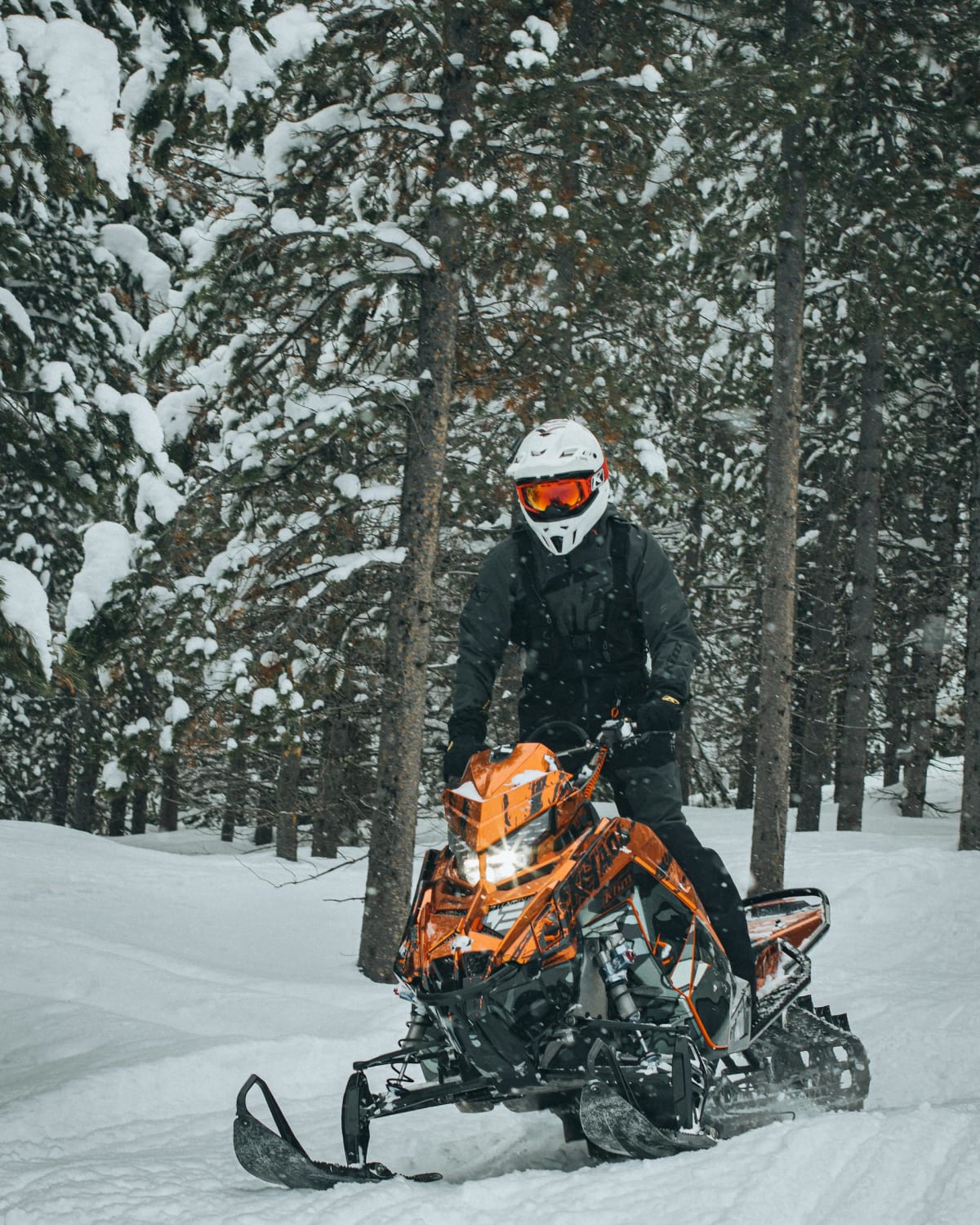
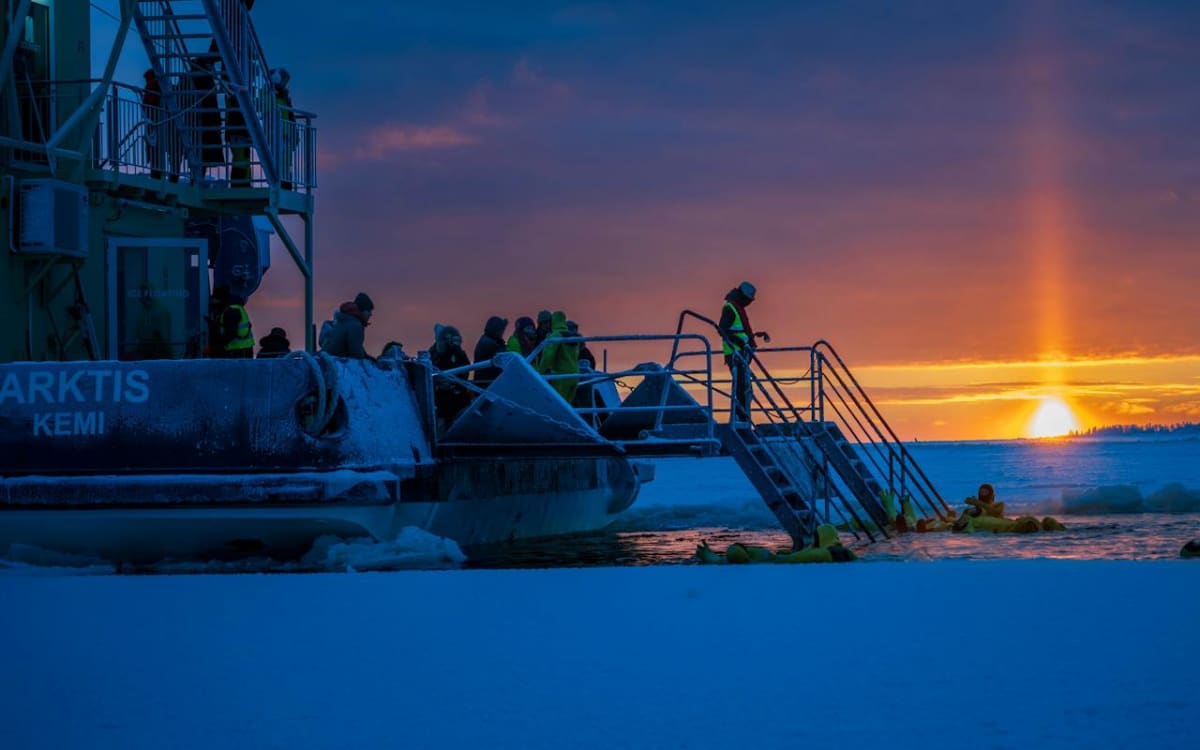
Quite a lot, which is the point. Our nine-day Loop runs from Helsinki up to Rovaniemi and back. There is a husky or reindeer sleigh ride, a guided snowmobile ride, an ice swim and a sauna after. A free day and a second aurora night leave room for optional extras such as an icebreaker cruise.
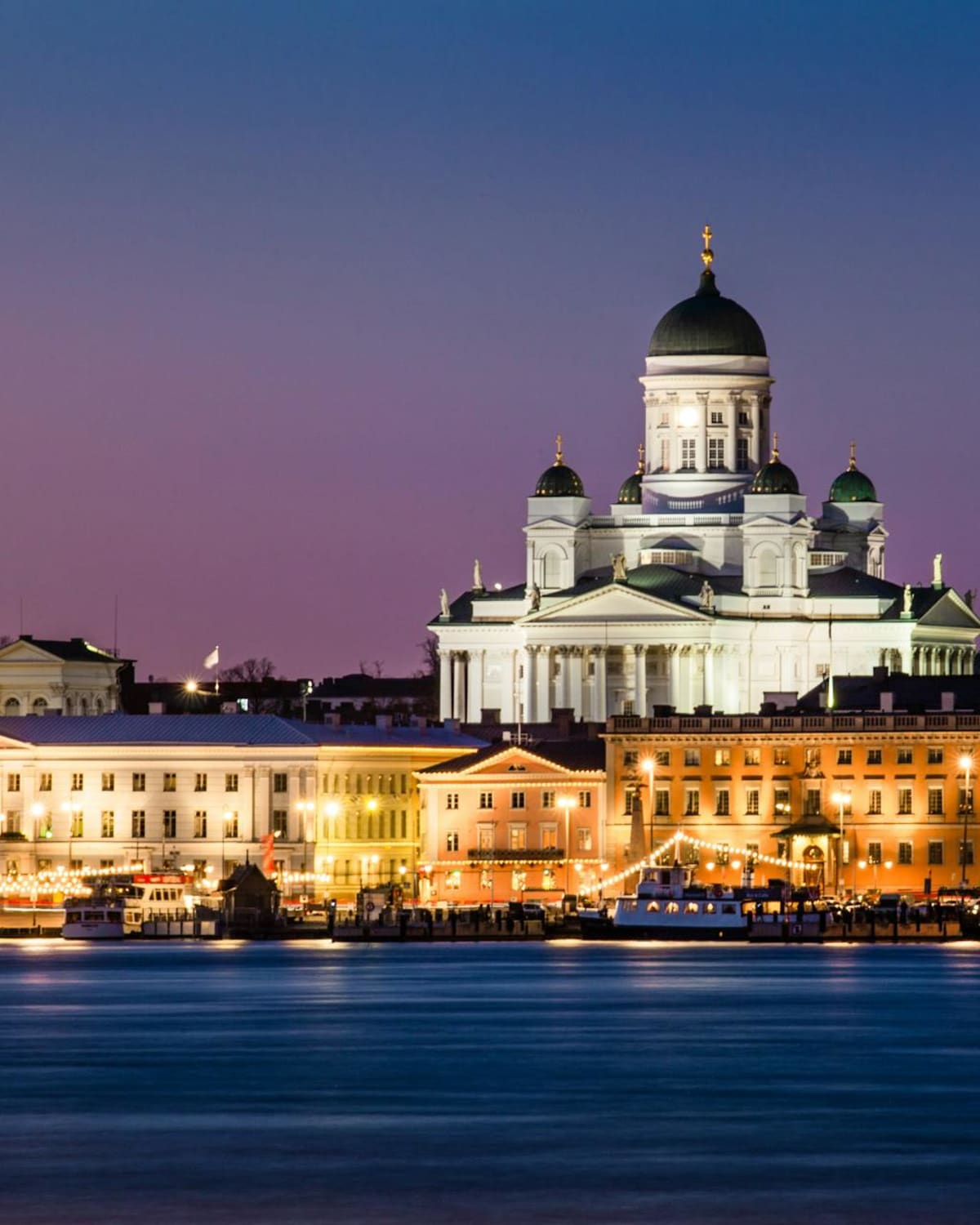
Felt more like a trip with old friends than strangers from the airport.
Shounak Shah, 2nd Gen Entrepreneur, Thailand Loop '25
The visa timeline, in plain numbers
Finland is in the Schengen area, so Indian passport holders need a Schengen visa. You can apply up to six months before you travel, and the embassy states that processing takes up to 15 working days, which can stretch to 30 days in busy periods. The official fee for adults is €90, plus a separate service fee at the visa centre. Applications are made in person by appointment at the centres in Delhi, Bengaluru, Chennai, Hyderabad, Kolkata or Mumbai.
The official details are on the Finland visa page on VFS Global. Fees and rules change, so always confirm there before you book. For a mid-February trip, applications are already open, so there is no need to wait.
Is it worth it if you do not see them?
Honestly, yes, but only if you go in with the right expectations. Some trips catch a clear, colourful display on the first night. Others wait until the fourth, and a few get a faint green glow low on the horizon. The aurora is a natural event, and the people who enjoy the trip most are the ones who treat the lights as a bonus and the rest as the main event.
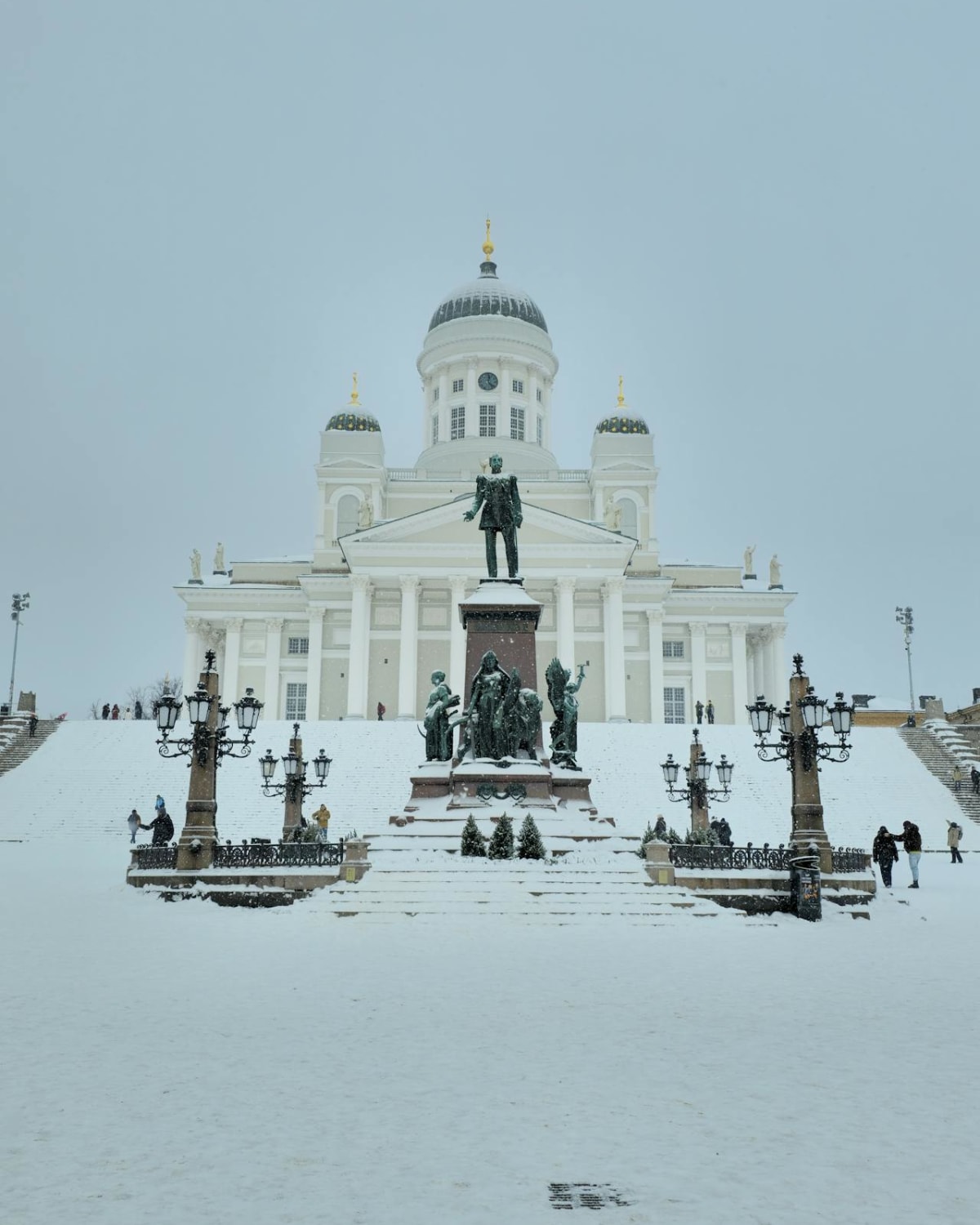
That is why we build the itinerary around a mix: a husky or reindeer sleigh ride, a guided snowmobile ride, an ice swim, a sauna and time in Helsinki. If the sky stays cloudy one night, you still wake up with a story, and the group is closer for it. If you want the full day-by-day, see our Finland Loop.
The details
Finland is part of the Schengen area, so Indian passport holders need a Schengen visa. Start early. On our Loop, the in-house team guides you through the paperwork. The trip itself is below.
International flights are not included, but travel between Helsinki and Rovaniemi is.
Before you pack, run through our free Finland and Arctic trip checklist: visa basics, documents and a packing list you can tick off on your phone.
Questions
Quick answers to common questions about this guide.
Are the Northern Lights guaranteed?
No. Nobody can promise them. We plan several nights of aurora hunting so your chances are good, and the trip is full of other highlights.
What should I pack for Lapland?
Layers: a warm base, an insulating middle and a windproof outer layer, plus warm boots, a hat, mittens and spare camera batteries.
Do I need a visa for Finland?
Indian passport holders need a Schengen visa. Our team guides you through the process.
When is the northern lights season in Finland?
In Lapland the season runs from late August to early April. September, October, February and March are the most active months, with the lights showing on roughly every second clear night.
How early can I apply for a Finland visa?
You can apply up to six months before your travel date. Processing takes up to 15 working days, and can be longer in busy periods, so apply early.
Abhishek Doashii is a seasoned traveller and the founder of WanderLOOPS. Follow his trips on Instagram: @abhishekdoashii.
Keep reading
More WanderLOOPS guides on group travel in India.
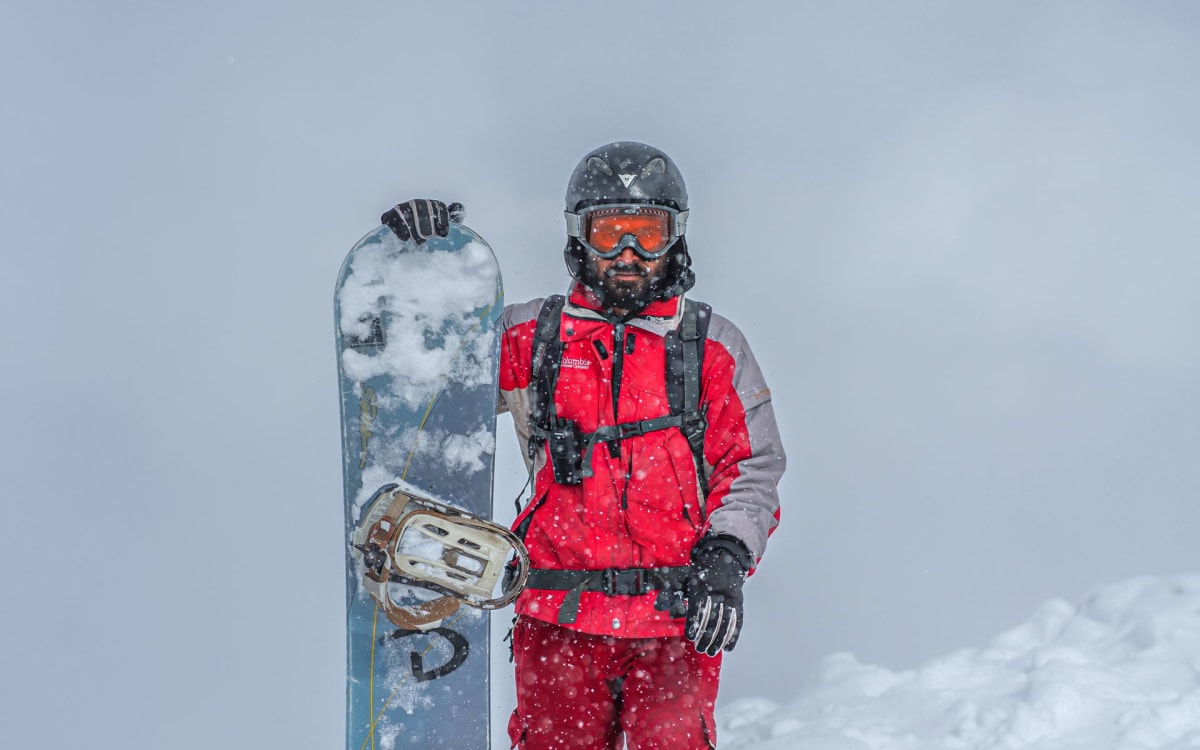
Learn to Ski in Gulmarg, Kashmir: A Beginner's Guide
You do not need to live near the Alps to learn to ski. Gulmarg, in Kashmir, is one of India's best-known ski areas, and a week there is a great way to start.
7 min read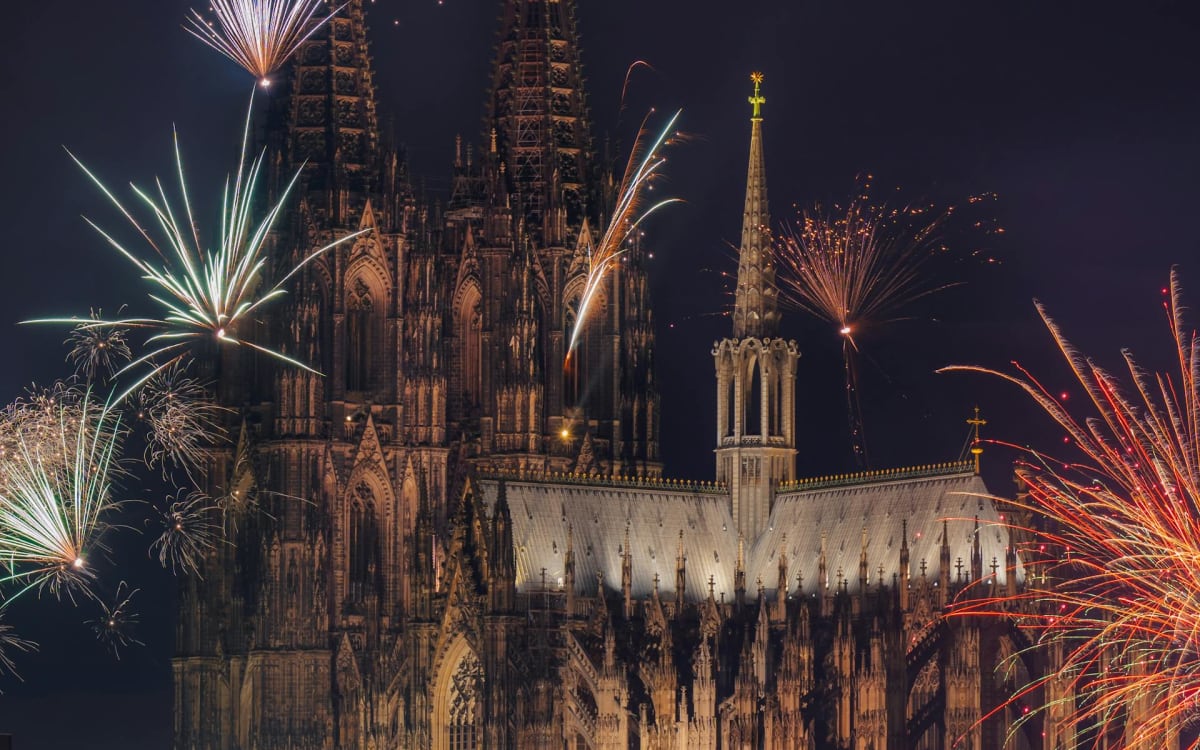
Christmas to New Year's Eve in Europe: Amsterdam to Vienna
Canals, Christmas markets, beer halls, alpine lakes and fireworks over Vienna. Here is how five cities fit into one 12-day winter route, and what each one is best for.
7 min read